Tips, tricks, and updates

4 mistakes customers make
We’re lucky to have the coolest customers in the coolest little Capital. Here’s four things to consider when you’re doing your next home renovation project.
We’re lucky to have the coolest customers in the coolest little Capital. Here’s four things to consider when you’re doing your next home renovation project.
1. Doin’ it yourself
Kiwis are famous DIYers. But having a crack at your own electrical work, or letting an unqualified person loose on your electrical systems, can be dangerous. Sometimes the best-of-cost-saving-intentions wind up costing you more money to fix or put you and your family in danger. Before you undertake any electrical work on your house, we urge you to chat to an electrician.
2. Choosing cheap imported products
Saving money, particularly in the current economic climate, is the goal of most people looking to have renovations or upgrades done to their house. Often, this means shopping around for the best priced products. A word of advice, though: avoid cheap imports.
Cheap imported products are almost always low quality, which means they don’t have the longevity of better quality (and slightly pricier) products. They might not be as energy efficient and cost more to run. There’s also a risk they won’t meet New Zealand safety standards. Investing in quality products upfront will save you money in the long term.
3. Getting sucked in by sales
Sometimes it’s tempting to purchase your own products to save money and simply have your electrician install them. While we support you shopping round, be wary of heavily discounted products – they might not be the high quality product you think they are.
Having an electrician source a product from their supplier means you’ll get that product cheaper than the retail price. And because it’s sourced from an electrical supplier, you can rest assured that you’re getting a quality product.
4. Going for the cheapest quote
There’s an old saying in business when it comes to wanting things good, cheap and fast – we think it’s pretty bang on!
You can have things good and cheap but it won’t be fast
You can have things fast and cheap but it won’t be good
You can have things good and fast but it won’t be cheap
Of course, it’s entirely up to you as to which one of those statements best suits your project.
Switchboards: when to consider an upgrade
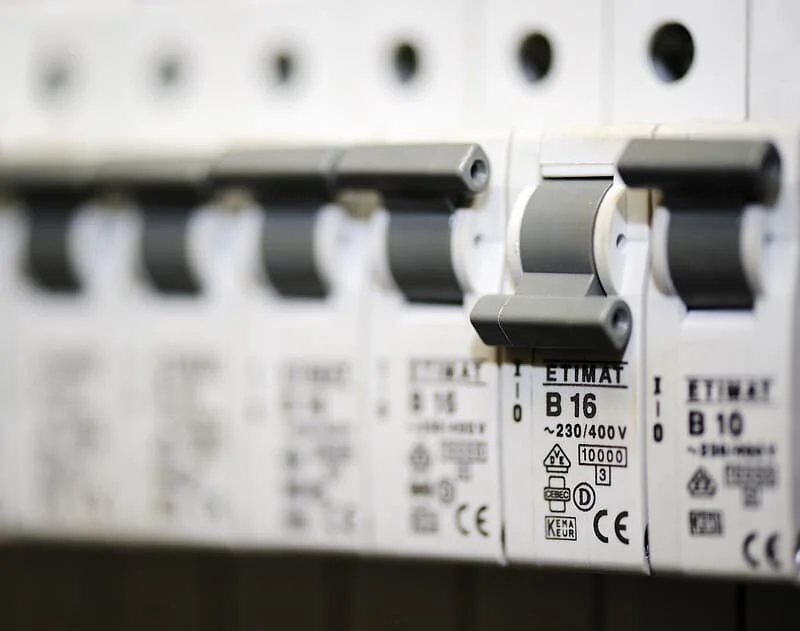
A switchboard's electrical integrity is essential for your family's safety. Here’s what you need to know about upgrading your switchboard.
Your switchboard is the central hub of your home's electrical wiring. It's responsible for directing electricity from the main supply to various circuits all around your home. Your switchboard is generally located either inside your home or near your meter box.
Why should I consider upgrading my switchboard?
A switchboard's electrical integrity is essential for your family's safety and should be upgraded every 25 years.
Outdated electrical systems have inefficient power distribution, especially when you start adding modern appliances to the load, causing problems and even hazards.
Many of the beautiful old homes around Wellington were designed and built with fewer outlets and less lighting, simply because there was no need. Nowadays, our homes have much more technology. Modern appliances, additional lighting and extra outlets puts pressure on older electrical systems, causing outages and potentially hazards such as electrocution and electrical fires.
If you’re considering extensive renovations to your home, upgrading your switchboard is an investment in futureproofing your home for future electrical demand. Common additions like ducted heat pumps and spa pools need dedicated circuits to power them and prevent your switchboard from overloading.
How do I know I need to upgrade my switchboard?
If you notice a burning smell in any part of your house, or if you feel a tingling sensation when you touch an electrical appliance, contact an electrician immediately.
However, less obvious signs can be:
Consistent flickering or dimming lights. This can be caused by loose wiring in old switchboards.
Short-circuiting appliances. Older switchboards have a propensity to ‘trip’ (short circuit). This is essentially a safety mechanism to protect the circuit from overloading and causing an electrical fire.
An overcrowded switchboard. If your switchboard's wiring looks overcrowded, err on the side of caution.
Switchboard upgrade: before and after
We recently upgraded a Lower Hutt customer’s switchboard to provide his household and appliances with extra protection.
Switchboard: before upgrade
Switchboard: after upgrade
Need to chat about your switchboard? Call us for advice or an obligation-free quote.
3 reasons to use a Master Electrician
We chose to become certified Master Electricians to give our customers the peace of mind that the work they’re paying for is of the highest quality.
We chose to become certified Master Electricians to give our customers the peace of mind that the work they’re paying for is of the highest quality.
For our business, being a Master Electrician means we’re kept informed of the latest guidelines and legislation changes. This means our work is following the latest requirements and safety standards.
What does using a Master Electrician mean for you?
1. Quality assurance
Master Electricians continually review, educate and support us so we maintain the highest industry standards.
2. Trust
As Master Electricians, we thoroughly test our work; when the job’s done, you’ll get official certification.
3. Workmanship guarantee
Using a Master Electrician means you automatically get a $20,000 Workmanship Guarantee on residential work.
Find out more about Master Electricians.

4 Quick Electrical Safety Tips
At #Electrical, we're committed to electrical safety so here's a few quick tips to keep you and your family safe.
Every one of us has, at some stage, experienced an electric shock. Sadly, some of us have also experienced a house fire. At #Electrical, we're committed to electrical safety so here's a few quick tips to keep you and your family safe.
1. DON'T OVERLOAD YOUR OUTLETS
If you live in an older home, you’ll probably find you have one or two electrical outlets in each room – and a lot more than two items of electrical equipment to keep charged! Don’t feel tempted to plug a bunch of stuff into a multi box or use multiple extension cords to plug everything in. This unsafe practice can cause power outages – and even fires.
If you’ve more electrical equipment than outlets, the best thing you can do is get in touch with an electrician to organise having more power outlets added. And, if you need to use multi boxes, make sure they’re the kind with surge control.
2. CHILD PROOF YOUR ELECTRICAL OUTLETS
If you have young children, taking the time to teach them electrical safety is one of the best things you can do. However, for those with very young children, here’s three quick tips to keep in mind:
Invest in safety caps for unused electrical outlets – this will prevent curious kids from sticking foreign objects into plug holes
Keep all electrical cords tucked away, neat and tidy
In areas where water is around – like bathrooms and kitchens – always ensure appliances like hair dryers and toasters are out of reach of curious kids
3. LISTEN FOR THE BUZZ
If you hear a buzz coming from an electrical outlet after you’ve plugged something in, this is normally a sign that there’s an issue with the outlet. Remove the plug and switch the electrical outlet off at the wall immediately, then get in touch with an electrician. Ignoring the buzz could lead to power outages – or a fire.
4. BE CAREFUL WITH CORDS
This is less of a safety measure and more of a cost-saving measure. Never yank an electrical cord from the wall. Yanking a cord can damage the appliance, plug or outlet.

5 tips for keeping winter energy costs down
Is your winter power bill coming in a little high? Here’s 5 quick tips to help keep winter energy costs down.
Is your winter power bill coming in a little high? Here’s 5 quick tips to help keep winter energy costs down.
1. AVOID PEAK ELECTRICITY TIMES
. Limit your household chores during ‘peak’ electricity times – generally between 6 – 10 am and 3 – 9 pm. Energy costs are more expensive during peak times; if you can hold off using your dishwasher or washing machine during these times, you’ll notice the difference in your power bill. Energy peak times do vary, so check with your energy provider for exact details.
2. TIME YOUR USAGE
A programmable timer is a relatively cheap investment that helps keep losses to a minimum. Use the timer to turn heating off during the day when the house is empty; programme it to turn on shortly before you are due home. You can do the same with your heated towel rail.
3. MAKE THE SWITCH TO LED
These shorter winter days mean we’re switching our lights on earlier and keeping them on longer, equating to higher energy costs. If you’ve not already made the switch, consider LED lighting. LED lighting uses 80% less energy and lasts 25 times longer than traditional incandescent lighting.
4. KEEP YOUR APPLIANCES IN CHECK
Create a good habit of regularly checking your appliances to ensure they’re running at optimum. Things like fridge, freezer and oven seals can cause energy leaks when failing while regularly cleaning filters on heating appliances ensure they’re not building up dust, which impairs their efficiency.
5. NOT USING AN APPLIANCE? SWITCH IT OFF
Switch appliances off at the wall when you’re not using them. TVs, laptops, PlayStation... All guilty of using unnecessary energy when they’re not in use.